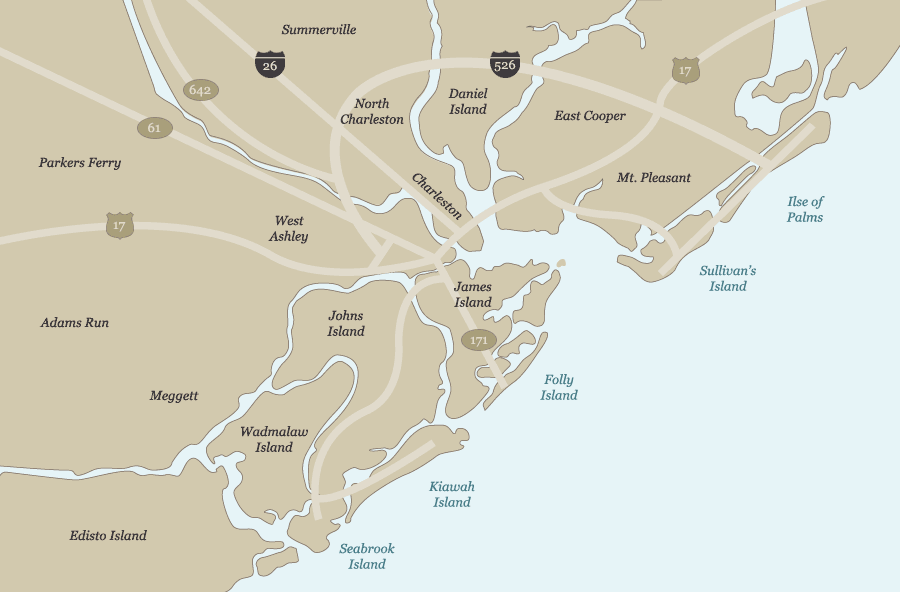
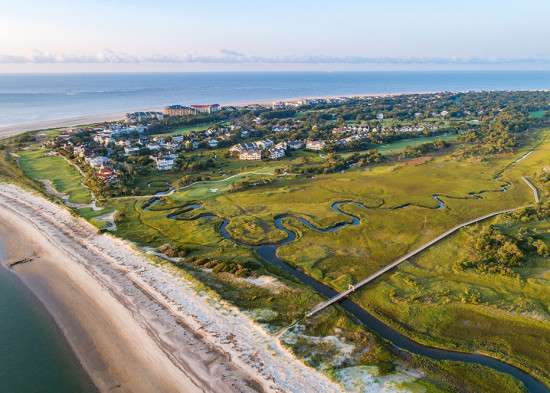
When Tom Fazio set out to create Wild Dunes Links, his was hardly a household name, even in the golf world. Still in his early 30s, he had just left his famous uncle, George Fazio, who lost the 1950 U.S. Open to Ben Hogan in a playoff, to hang out his own shingle. But almost as soon as his Links opened, the young Fazio’s first solo creation set flush against the Atlantic on the Isle of Palms was gracing national magazine covers and earning a spot among the top 30 courses in the world. Wild Dunes Links literally helped vault Tom Fazio to the top of his profession.
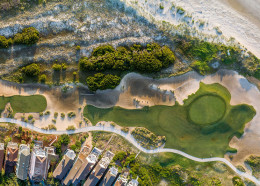
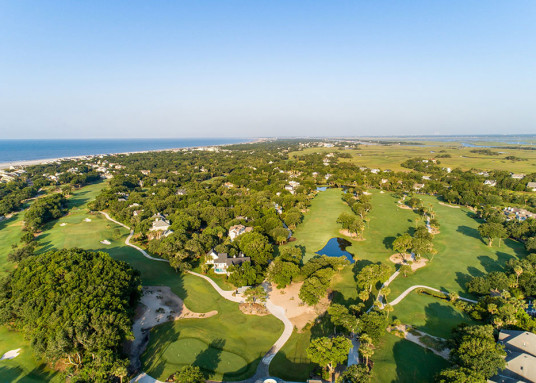
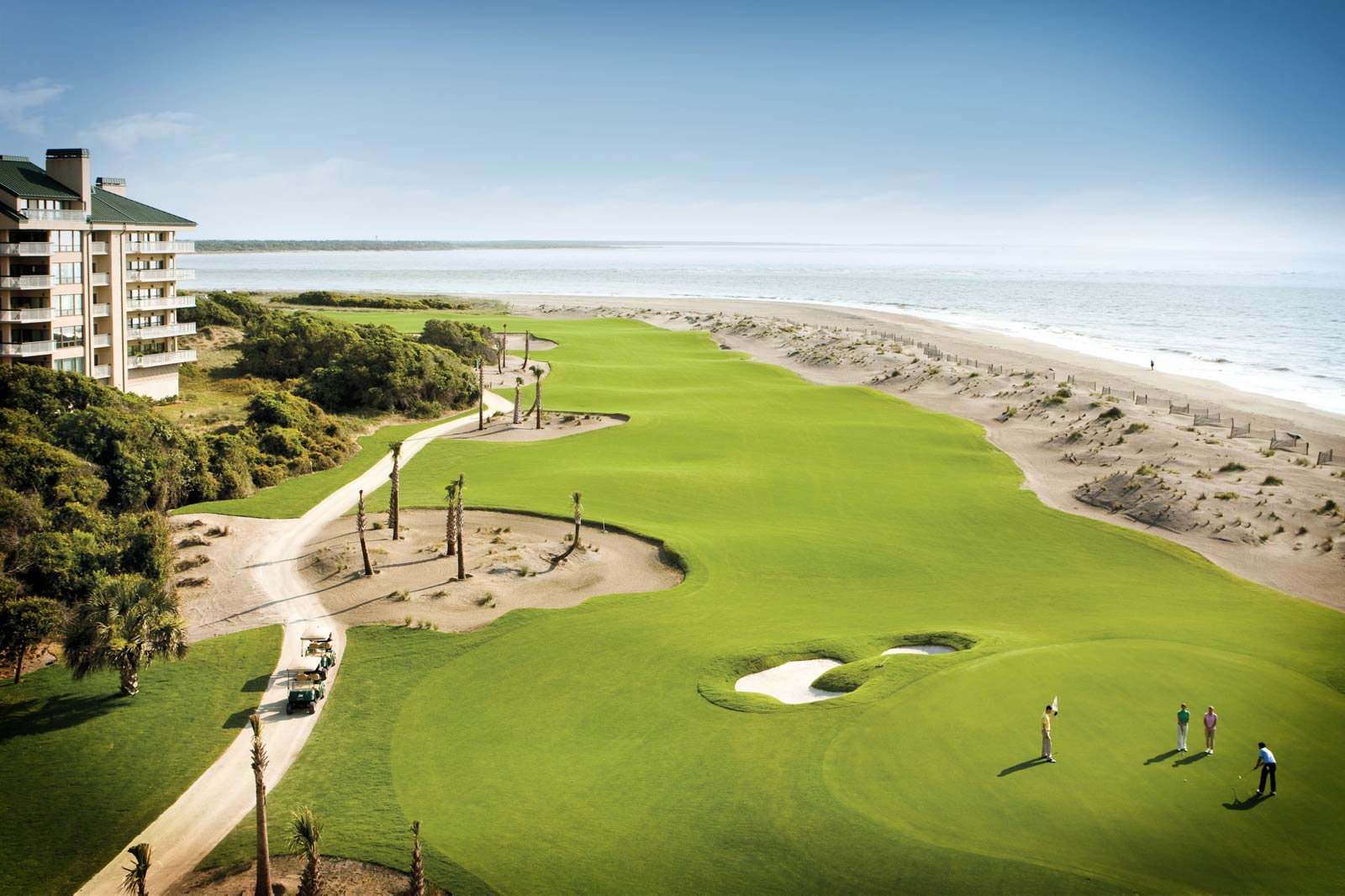
More than three decades later, the course chosen to host a national championship as a mere infant – the 1985 U.S. Senior Amateur – remains one of the few true links courses in America. Visually stunning, Wild Dunes is characterized by holes so natural in their appearance that they look as if Fazio merely built a tee at one end and a green at the other. For the most part, even the architect himself will tell you that’s basically all that was needed on a site that seemed to have been created for golf.
A particularly dramatic four-hole stretch, starting at the par-4 10th, is routed into primary and secondary dune ridges formed by the ocean’s receding waters thousands of years before. But just as any great plot builds to its climax, Wild Dunes Links saves its most jaw-dropping drama for the end. At holes 17 and 18, you’ll be hard pressed to focus on the golf and not the rolling surf splashing on the beach just to your left.
Wild Dunes Links is golf where the land meets the sea. As the Scots have argued since they first challenged the dunes of St. Andrews with hickories and featheries, golf doesn’t get any better than that.